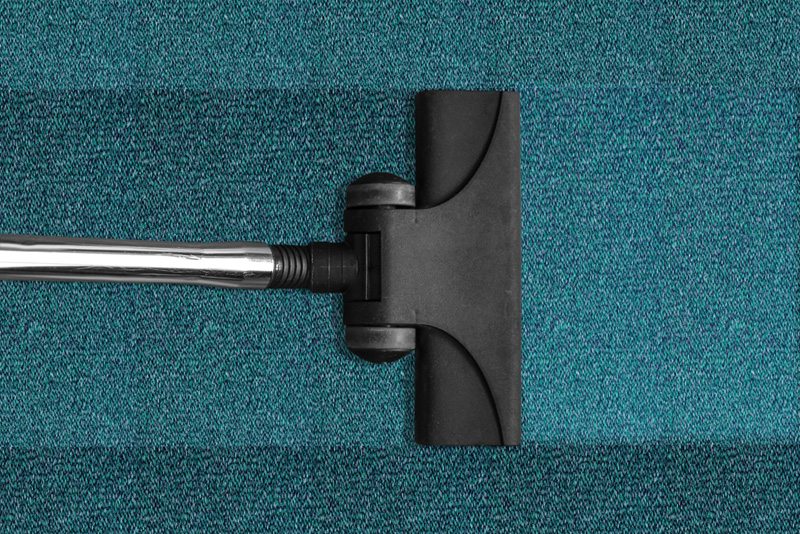
If you own or rent business premises or commercial premises and they’re in need of some serious TLC, then let Introcross come to your rescue… Do your office carpets need a professional clean to make your workplace look more professional? Do your waiting room chairs need a deep clean to evidence the importance of cleanliness […]
Read more14Sep
(0)
01Sep
(0)
September Spruce…
Tags :
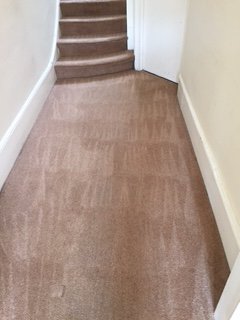
Well done to all those working parents and carers who successfully juggled the summer holidays and professional commitments! Did your home get neglected over the last 6 weeks? Did hordes of kids leave dirt and debris that now needs dealing with? If so, we’re here to make your life easier. Let Introcross carry out a […]
Read more15Aug
(0)
Prevention instead of Cure…
Tags :
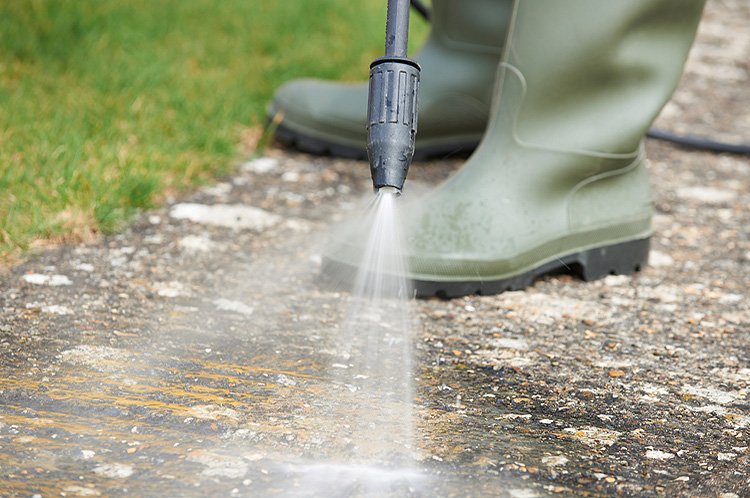
At Introcross, we’re firm believers in prevention instead of cure, especially when it comes to property maintenance and cleaning. We recommend to all our domestic and commercial clients, that regular property maintenance and cleaning prevents many costly repairs or replacements. For example, regular carpet cleaning in your home or place of work will enable your […]
Read more01Aug
(0)
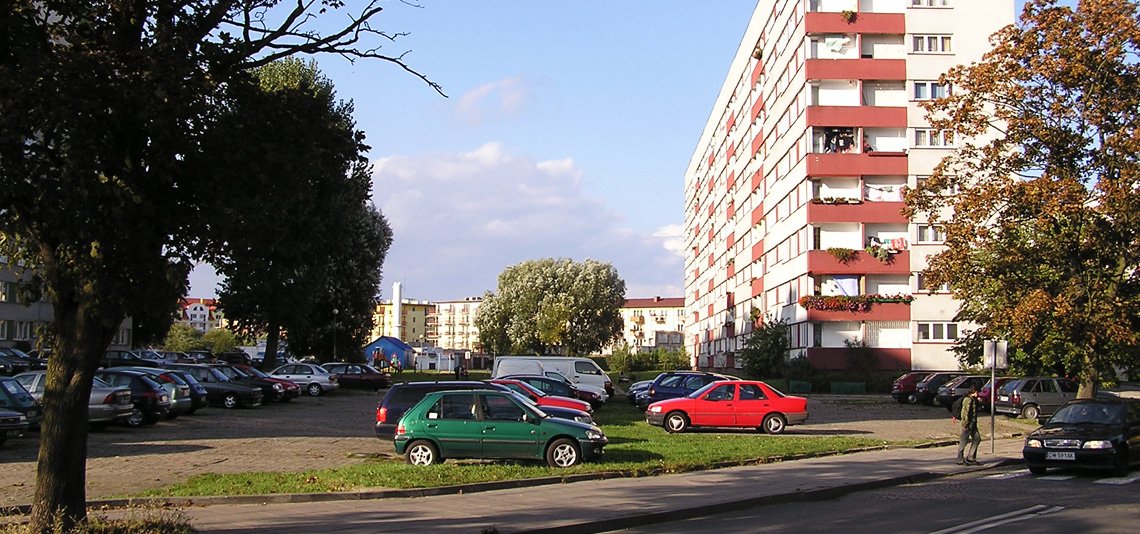
Managing an estate, whether it’s a block of flats, an industrial park, rented offices, an educational campus, a private estate or any other large property or premises, can be complicated when it comes to maintenance and cleaning. At Introcross, we make estate maintenance easy with our comprehensive estate maintenance and cleaning services. Designed to make […]
Read more11Jul
(0)
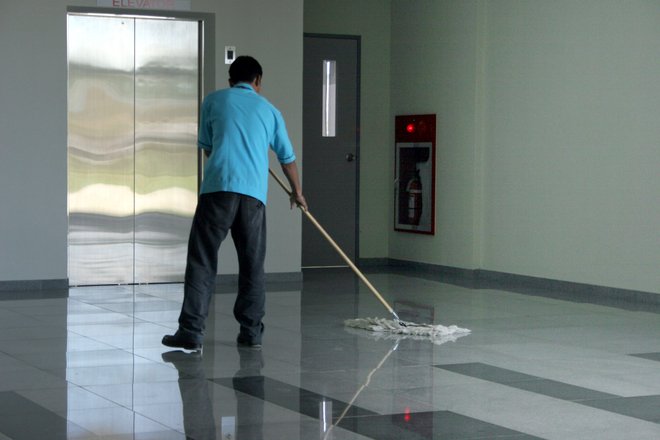
Introcross since 1986
Tags :
Proud to have been established since 1986, Introcross guarantees unparalleled industry experience as well as exceptional professionalism. As a fully insured and Safe Contractor approved business, your home or business premises are always in safe hands with Introcross. With over 35 years’ experience in the cleaning and maintenance sector, serving domestic and commercial clients across […]
Read more01Jul
(0)
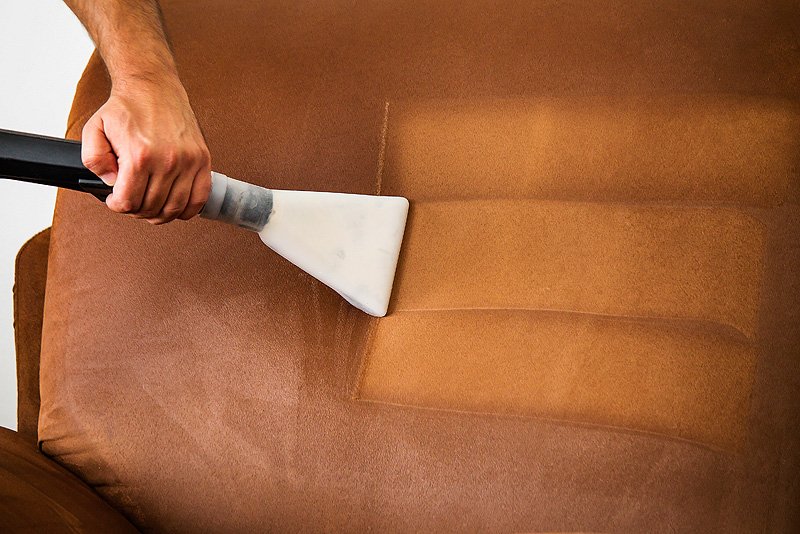
Top 3 Cleaning Tips
Tags :
When it comes to all things cleaning, the team at Introcross really are experts. With over 35 years’ experience in the domestic and commercial cleaning arena, we know our stuff! We’ve compiled our top 3 tips for keeping things clean, in your home or in your workplace, helping you enjoy the most pleasing surroundings whether […]
Read more15Jun
(0)
There aren’t many cleaning and maintenance companies that can say they were established in 1986… Introcross was! Our 38 years in business proves that we’re a business you can trust! Proud to have built our client base on mostly recommendations and referrals, our customer service is as important to us now as the day we […]
Read more05Jun
(0)
Cost of Living
Tags :
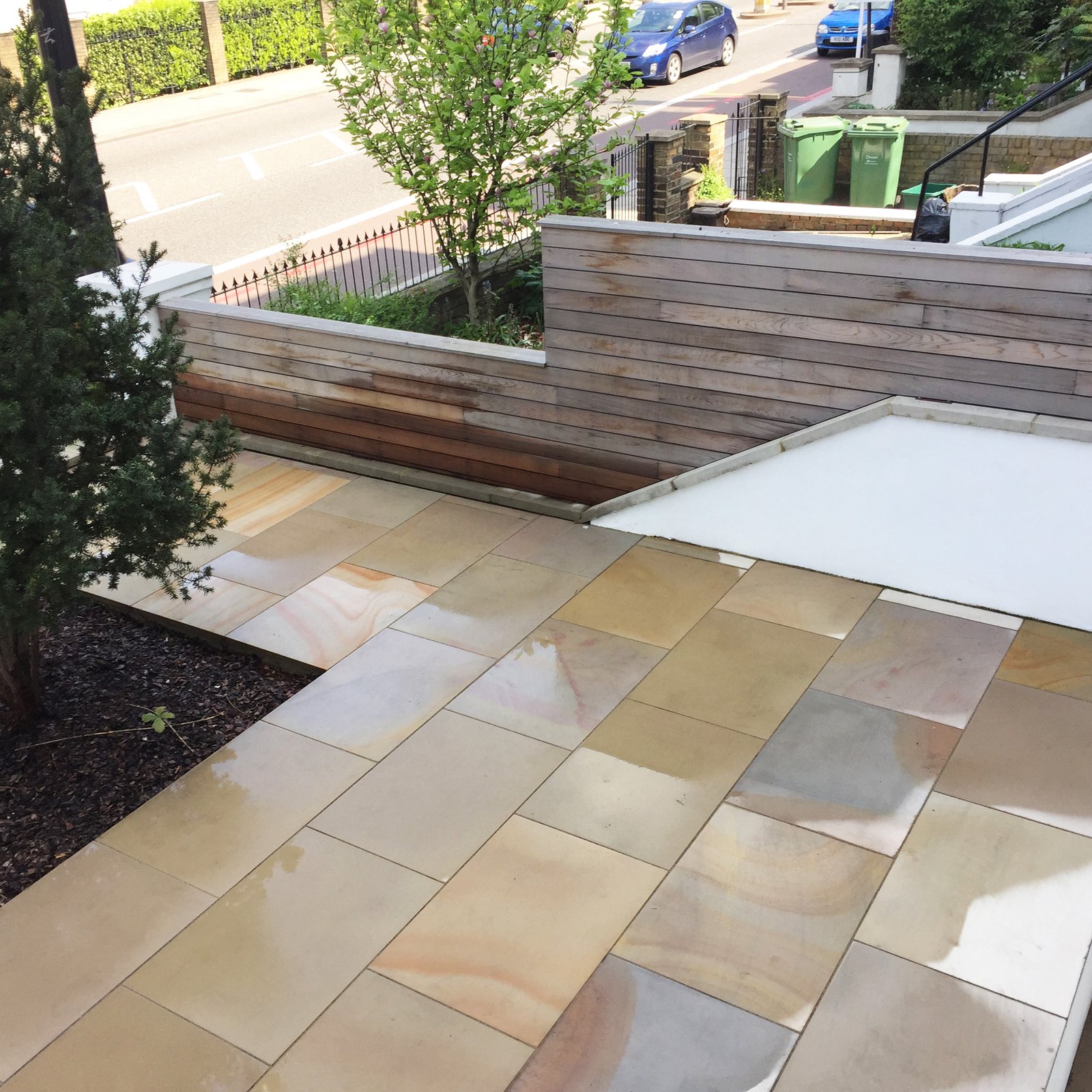
If you’re feeling the pinch during our current cost of living crisis you may have had to put certain home improvement plans on hold. You’re not alone! Here at Introcross, our professional cleaning and maintenance services enable you to extend the life of carpets, upholstery, patios and driveways – avoiding the need to replace such […]
Read more14May
(0)
Outsource to Introcross…
Tags :
More and more people are outsourcing more and more tasks these days due to our busy lifestyles with many of us living life in the fast lane. From dog walking to food deliveries for busy homeowners, to payroll and social media management for fast paced business owners. Well, we’re here to tell you that you […]
Read more01May
(0)
Let’s be honest, if a chef cooks your dinner, it tastes better… If a hairdresser does your hair, it looks better… If a mechanic services your car, it drives it better… So, why consider anything less than a professional service for the cleaning and maintenance of your home or business premises? Trust us – you […]
Read more